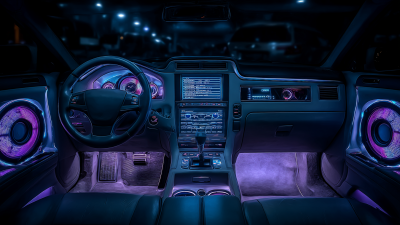
2026 Top Car Audio System Trends Buyers Should Know?
As we approach 2026, the evolution of the Car Audio System continues to impress. Buyers are eager to discover the latest trends that enhance their listening experience. The current market is flooded with innovations that promise superior sound quality and user-friendly technology. However, understanding these trends is essential for informed choices.
In this rapidly changing landscape, features such as wireless connectivity and smart integrations are becoming standard. Many buyers expect seamless connectivity to their smartphones and other devices. Enhanced sound quality often involves advanced amplifiers and high-performance speakers tailored to individual preferences. Yet, with so many options, choosing the right Car Audio System can be daunting.
Consumers might find themselves overwhelmed by countless brands and models. It's critical to seek reliable information and expert advice. The choices available are not always clear-cut. Some systems may provide features that sound appealing but may not deliver in everyday use. Therefore, careful consideration is key to ensure that you invest in a system that truly fits your needs and enhances your driving experience.

Emerging Technologies in Car Audio Systems for 2026
The car audio landscape is evolving rapidly. Emerging technologies are reshaping what we expect from our systems in 2026. High-resolution audio formats are becoming standard, offering deeper sound quality. This trend enhances the listening experience significantly, making it more immersive.
Another exciting development is the integration of artificial intelligence. AI can now analyze listening habits and suggest personalized playlists. This not only saves time but also provides a tailor-made experience. Additionally, voice control and smart interfaces are becoming prevalent, making it easier to navigate tracks while driving safely.
However, with these advancements come challenges. Connectivity issues might arise, disrupting the seamless experience users seek. Furthermore, the complexity of new systems could overwhelm some buyers. As technology progresses, the balance between innovation and user-friendliness is crucial. Buyers should stay informed about these trends while considering their needs for a truly enjoyable audio journey.
Trends in Smart Audio Integration with Vehicle Systems
In 2026, the integration of smart audio systems with vehicle technology is set to revolutionize how drivers interact with their cars. These systems will not only provide entertainment but also enhance safety and connectivity. With advancements in artificial intelligence, audio systems will learn user preferences and adjust settings accordingly. Imagine a system that knows your favorite playlist for morning drives.
Tips: Consider the importance of voice recognition features. They can help you stay focused on the road while controlling your audio. Ensure your system can interpret commands accurately, reducing the need for manual adjustments.
Moreover, seamless connectivity with smartphones is essential. Expect systems to offer instant access to calls, navigation, and music apps. The goal is to create a distraction-free environment. Yet, not all systems will deliver high-quality sound. Evaluate sound output critically before making a purchase.
Tips: Don’t overlook the significance of customization. Each driver has unique tastes. Choose an audio system that allows fine-tuning of sound settings to match your preferences. Strive for an experience that feels personal and engaging.
The Shift Towards Sustainable and Eco-Friendly Audio Products
As the automotive industry evolves, the demand for sustainable car audio systems is becoming more pronounced. Consumers are increasingly seeking eco-friendly products that minimize environmental harm. This shift is evident in the materials used for speakers, amplifiers, and enclosures. Recycled plastics and sustainably sourced wood are gaining popularity. These materials not only help the planet but also improve sound quality.
Manufacturers are exploring innovative technologies to reduce energy consumption. Some are focusing on lightweight designs that enhance efficiency. Acoustic engineering is evolving, allowing systems to deliver high performance with lower power use. Despite these advancements, challenges remain. Balancing sound quality and sustainability is a complex task. The debate continues around whether eco-friendly products can truly meet the expectations of audiophiles.
Additionally, the transition to sustainable materials might come with trade-offs in production costs. This could affect pricing and accessibility for average consumers. While the industry makes strides, it is vital for manufacturers to listen to customer feedback. Engaging with users can help address concerns and improve offerings. The journey toward a more sustainable audio experience is ongoing, and reflections on these changes are necessary for future growth.
Personalization and Customization Trends in Audio Experience
As we approach 2026, the car audio industry is witnessing a significant shift towards personalization and customization. According to a recent market study, over 70% of consumers desire bespoke audio solutions that reflect their unique preferences. This trend is reshaping how manufacturers design systems and what features they prioritize. Personalization means more than just choosing speakers; it encompasses software adjustments, acoustic tuning, and aesthetic choices.
The demand for tailored audio experiences is evident. Many drivers now expect interfaces that recognize their musical tastes and adjust sound settings accordingly. For instance, algorithms can analyze user playlists to fine-tune audio profiles automatically. Reports show that almost 60% of users appreciate voice-command functionalities, allowing for seamless, hands-free control. Additionally, exterior lighting that syncs with music is becoming popular among consumers seeking an immersive experience.
However, this focus on customization brings challenges. Manufacturers must balance personalization with usability. With so many options, some consumers feel overwhelmed. They often struggle to navigate features that may compromise driving safety. Data indicates that close to 30% of users find navigating complex audio settings distracting. Striking the right balance between a rich audio experience and driver focus remains essential. Industry leaders continue to explore solutions to this ongoing dilemma.
Key Brands and Innovations Shaping the Future of Car Audio
The car audio landscape is evolving rapidly. Recent industry reports indicate that the global car audio system market is expected to grow significantly, reaching over $25 billion by 2026. Innovations in technology, such as digital signal processing and immersive surround sound systems, are reshaping consumer expectations.
Key trends include the rise of wireless audio solutions. More users seek seamless connectivity with smartphones and smart devices. Bluetooth technology now plays a central role in car audio systems. A survey highlighted that 72% of consumers prioritize wireless features in their audio systems. Enhanced sound quality measurably influences customer satisfaction and market choices.
Additionally, brands are focusing on eco-friendly materials and sustainable practices. The shift toward green audio systems appeals to environmentally conscious buyers. However, the challenge remains to balance sustainability with performance. Companies must innovate, while grappling with production costs and material sourcing. The future of car audio systems hinges not only on technological advancements but also on addressing consumer concerns about the environment.

 +86-18126757325
 CONTACT NUMBER
 CONTACT NUMBER