2026 Top Car Multimedia Trends You Need to Know?
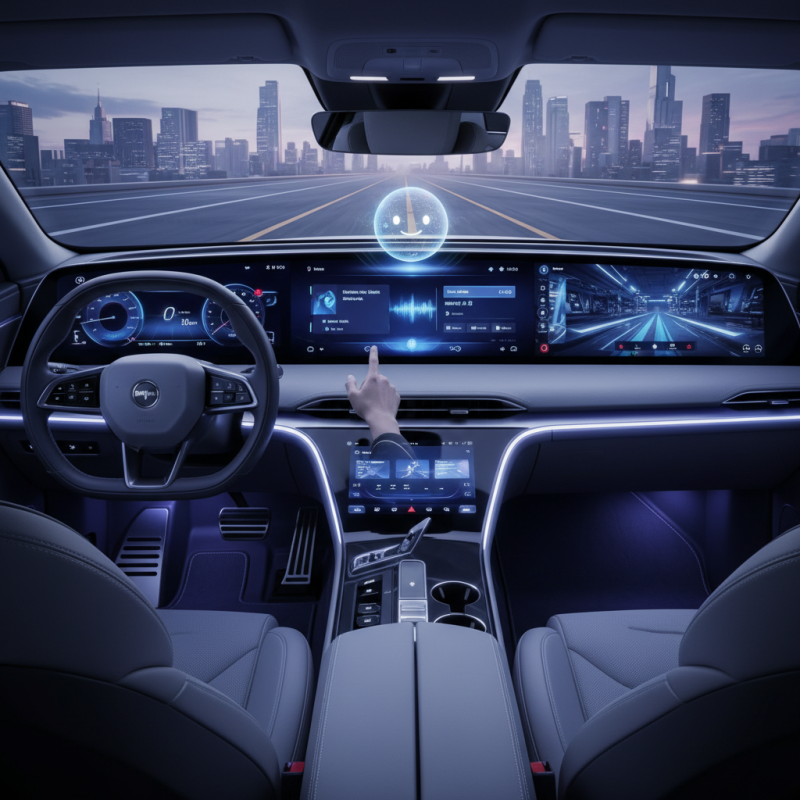
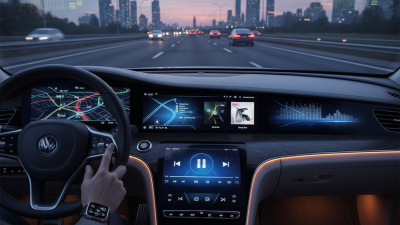
As the automotive industry evolves, car multimedia systems are at the forefront of innovation. In 2026, we witness exciting trends that transform how drivers and passengers interact with their vehicles. From advanced connectivity to immersive entertainment experiences, car multimedia reflects the growing demand for technological integration.
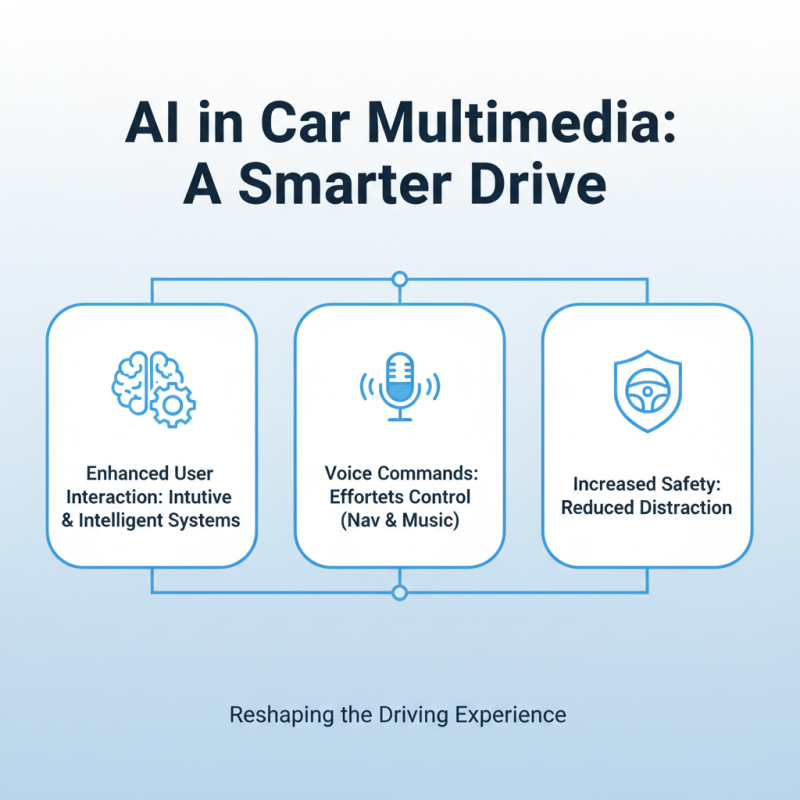
Imagine a world where your car understands your preferences. Voice command systems will become smarter. They will learn your favorite music, destinations, and even your mood. These enhancements will drive personalization in car multimedia, making every journey more enjoyable.
However, there are challenges we must confront. Not all features may suit every user. Over-reliance on technology can create distractions while driving. It’s crucial to find a balance. As we explore the trends shaping car multimedia in 2026, let’s consider the implications of these advancements on our daily lives.
Overview of 2026 Car Multimedia Trends
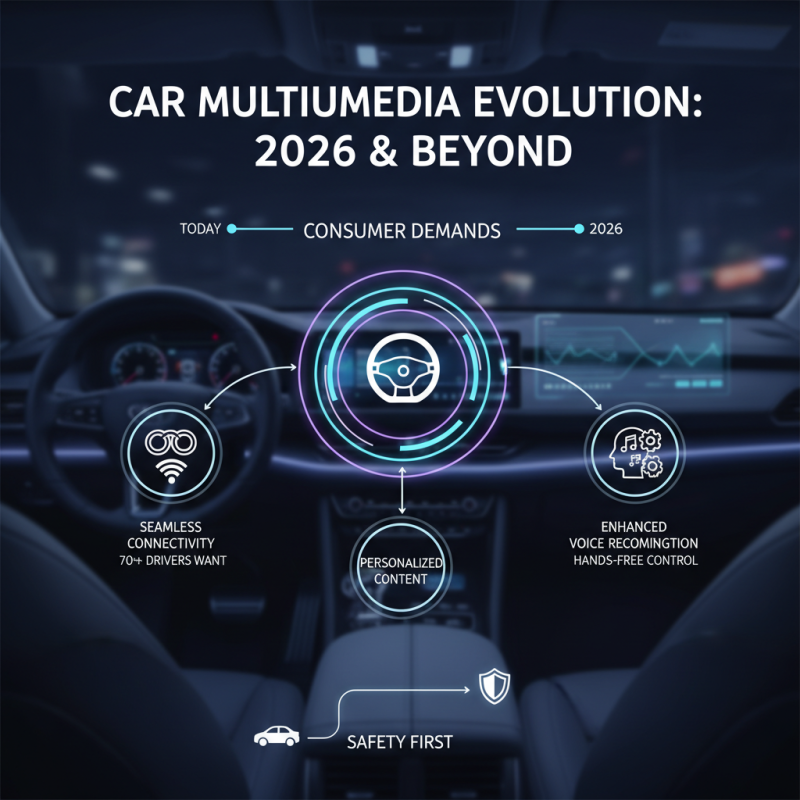
As we approach 2026, the car multimedia landscape is rapidly evolving. Consumers now demand more from their in-car experiences. According to industry reports, over 70% of drivers wish for seamless connectivity and personalized content. Enhanced voice recognition systems are becoming standard, allowing drivers to control features hands-free while maintaining safety.
Tips for improving your multimedia experience: Always keep your software updated. Regular updates can provide new features, improving system performance. Additionally, consider integrating your smartphone with the car system for better navigation and entertainment options. This aligns well with the increasing trend of smartphone-based vehicle control.
While technology progresses, there are challenges. Many users report frustration with integration issues between devices. Compatibility remains a hurdle. Additionally, the reliance on high-speed data connectivity brings up concerns in remote areas. As we advance, it is crucial to address these shortcomings to meet consumer expectations effectively.
Enhanced Connectivity Features in Automotive Multimedia
Enhanced connectivity features are reshaping automotive multimedia systems. The rise of
5G technology promises faster data transfer. This will allow in-car systems to offer real-time services. According to a recent report, 78% of consumers expect their vehicles to provide seamless internet connectivity. This expectation drives manufacturers to integrate advanced multimedia solutions.
Voice recognition systems are also evolving. They allow hands-free operation and improve safety. A study found that 65% of drivers prefer voice commands over manual controls. However, the accuracy of voice recognition remains inconsistent. Users often encounter challenges with accents or background noise. Addressing these issues is critical for user satisfaction and safety.
In-car multimedia interfaces are becoming more intuitive. Touchscreens are larger and more responsive. According to market analysts, the global automotive display market is expected to reach $25 billion by 2025. Yet, the learning curve for some users can be steep. New technologies can overwhelm, leading to frustration. Continuous feedback from drivers is essential for refining these systems. Results show that not every driver adapts quickly to new tech. Adjustments must cater to varying tech proficiency among users.
User Experience Innovations in In-Car Entertainment
In-car entertainment is evolving rapidly. Users now seek seamless experiences while on the go. Audiovisual quality is improving, but there’s still room for growth. Many systems lack intuitive interfaces. Drivers often find it hard to navigate numerous features safely. Simplifying these interactions can enhance user engagement.
Personalization is becoming key. More options for customizing interfaces are emerging. Users want unique themes, layouts, and playlists. However, creating these personalized experiences can take effort and time. Some might find the initial setup overwhelming. It’s essential to keep refining these processes for better usability.
Voice recognition technology is gaining traction. It’s convenient, allowing drivers to control settings without distractions. Yet, accuracy issues can frustrate users. Not every command is recognized correctly. Ongoing improvements are vital to build trust in this technology. The right balance between innovation and simplicity will define the future of in-car entertainment.
2026 Top Car Multimedia Trends
The Role of Augmented Reality in Future Vehicle Interfaces
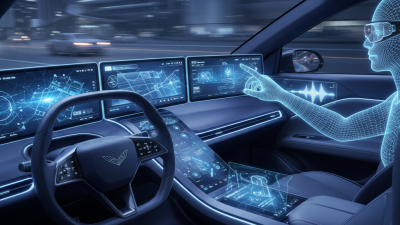
Augmented reality (AR) is reshaping vehicle interfaces dramatically. According to studies, by 2026, AR-driven interfaces could enhance user experience by 30%. Imagine navigating through a city with real-time navigation overlaid on your windshield. This feature could reduce accidents by improving driver awareness. Practical use of AR can transform mundane drives into engaging journeys. However, it presents its own challenges.
User distraction is a concern. AR can overload drivers with information. A study by a leading transport research group found that 50% of drivers feel overwhelmed by too many on-screen elements. Finding a balance is crucial. The technology must remain user-friendly while providing valuable data. Clear, concise information is key. Simplicity in design can alleviate potential cognitive overload.
Incorporating AR into cars raises questions about usability. How will passengers interact with these features? Consumer behavior is unpredictable. Although forecasts suggest AR adoption will soar, real-world feedback is essential. Continuous testing in various driving conditions is needed. Ensuring safety and enhancing experience should go hand in hand. AR has the potential to revolutionize driving. Yet, this is a process that requires careful navigation.
2026 Top Car Multimedia Trends You Need to Know
| Trend |
Description |
Impact on User Experience |
Forecasted Adoption Rate |
| Augmented Reality Dashboards |
Integration of AR technology to display real-time data on the windshield. |
Enhances navigation and reduces distractions. |
75% of new vehicles |
| Voice Recognition Systems |
Advanced voice control interfaces for hands-free operation. |
Improves accessibility and safety. |
85% of new vehicles |
| Personalized User Interfaces |
Customization options based on user preferences and habits. |
Increases user satisfaction and engagement. |
70% of new vehicles |
| 360-Degree Camera Systems |
Cameras providing a full view around the vehicle for safety. |
Enhances parking and maneuvering capabilities. |
80% of new vehicles |
| Seamless App Integration |
Integration of smartphone apps for driving functionalities. |
Grants drivers access to services without distraction. |
90% of new vehicles |

 +86-18126757325
 CONTACT NUMBER
 CONTACT NUMBER