Best Car Audio Systems for Ultimate Sound Experience?
Car audio systems have evolved significantly over the years. Recent industry reports highlight that the global car audio market is projected to grow by 8% annually. This growth reflects consumers' increasing demand for premium sound quality on the road. A good car audio system enhances the driving experience, providing clear vocals and punchy bass.
However, selecting the right system can be challenging. Many drivers struggle with technical specifications and compatibility issues. Experts suggest that a well-balanced system should include a powerful amplifier, high-quality speakers, and a good source unit. These components work together to deliver an immersive audio experience. Despite this, many drivers overlook their vehicle acoustics, which can negatively impact sound quality.
Furthermore, not all car audio products guarantee satisfaction. Many systems fail to live up to their promises, leaving consumers disappointed. Research indicates that consumers should consider both brand reputation and user reviews. A trusted brand can often provide a more reliable and enjoyable sound experience. Therefore, understanding both the market and personal needs is essential for finding the best car audio solution.
Overview of Car Audio Systems and Their Components
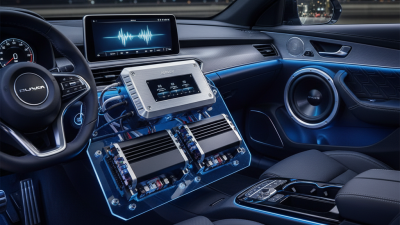
Car audio systems have evolved significantly over the years. Today’s systems consist of various components that work together to deliver high-quality sound. The main parts include the head unit, speakers, amplifiers, and subwoofers. Each element plays a crucial role in the overall audio experience.
The head unit serves as the control center. It connects to your smartphone or media device. Quality speakers ensure clear sound reproduction. They come in different sizes and types, impacting the performance of the system. Amplifiers boost sound output, enhancing clarity and depth. Subwoofers add powerful bass, making your music more enjoyable.
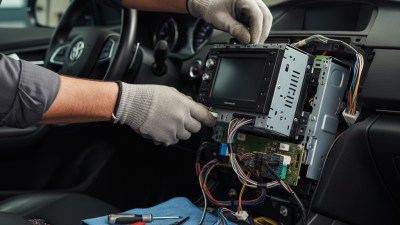
Despite advancements, some users still encounter challenges. Installation can be complex without professional help. Not all systems are compatible with every vehicle. Sound quality can vary based on the components chosen. Some may find that their system underperforms due to poor setup. Realizing these aspects can help you create a truly immersive audio experience.
Factors to Consider When Choosing the Best Car Audio System
When choosing the best car audio system, several critical factors need consideration. Sound quality is paramount. A study from the Consumer Technology Association shows that 64% of car owners prioritize sound clarity. Look for systems with high power output and low distortion rates, ensuring a vibrant listening experience at various volumes.
Speaker placement is another essential aspect. Properly positioned speakers enhance audio imaging and surround sound effects. Research indicates that listening experience improves significantly with a well-designed speaker layout. The material and size of speakers also influence sound quality, so it's crucial to select relevant specifications based on personal preferences.
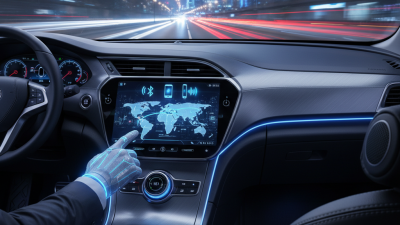
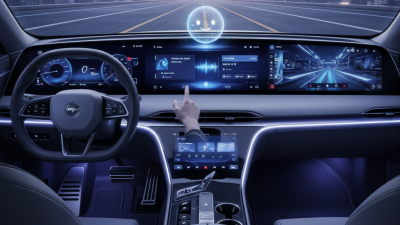
Lastly, user interface and smart connectivity should not be overlooked. Features like Bluetooth and smartphone integration are increasingly important. A survey by J.D. Power found that 70% of consumers desire seamless connectivity options. However, the complexity of some systems can be a potential drawback. Consider whether the interface is intuitive and easy to navigate before making a decision. Balancing advanced features with user-friendly design is vital for an enjoyable auditory journey.
Best Car Audio Systems for Ultimate Sound Experience
This chart compares various important factors when selecting a car audio system. It includes power output, frequency response, signal-to-noise ratio, and total harmonic distortion, providing a quick visual analysis for enthusiasts looking for the ultimate sound experience.
Top Brands for High-Quality Car Audio Systems
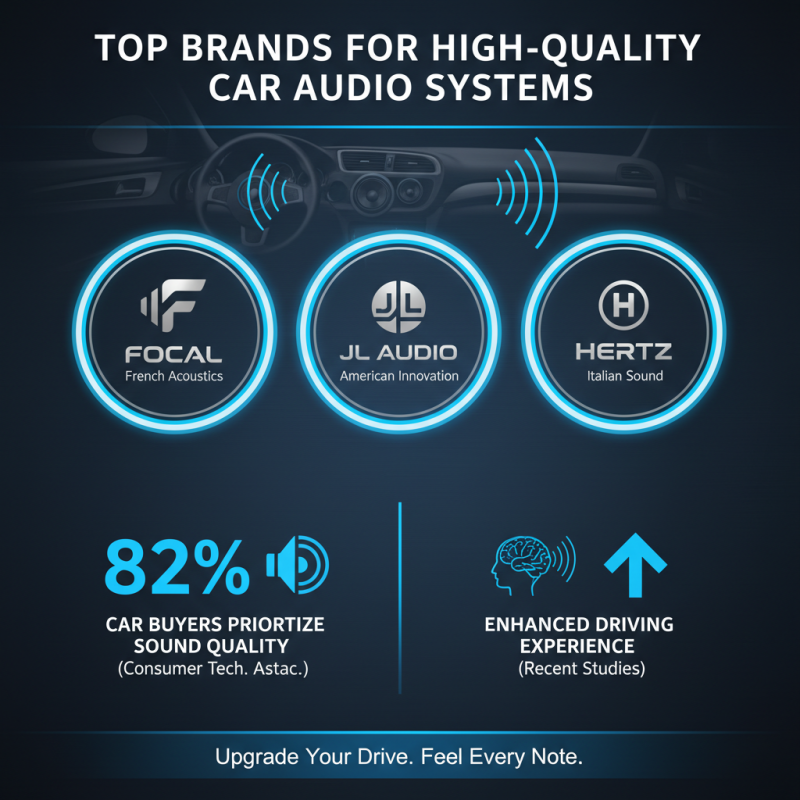
When considering high-quality car audio systems, several brands stand out due to their commitment to sound excellence. Recent studies indicate that high-end audio systems can enhance the driving experience significantly. Research from the Consumer Technology Association shows that 82% of car buyers prioritize sound quality in their vehicle upgrades.
Top brands focus on delivering rich bass, clear vocals, and balanced sound. Their products often feature advanced technologies like digital signal processing and high-fidelity speakers. However, some drivers overlook the importance of proper installation. An average of 30% of audio systems underperform due to improper setup. Investing time in professional installation can yield substantial improvements in sound quality.
Tip: Always test audio gear before finalizing your purchase. Listening in-store allows you to compare sound profiles accurately.
Yet, not every audio system suits every car. A poorly matched system can result in distortion or a disjointed audio experience. Drivers should consider vehicle size and acoustics. Customizing audio systems for your specific vehicle can significantly impact performance.
Tip: Research installation guides or consult professionals to ensure compatibility. A little preparation can lead to a much more enjoyable listening experience.
Comparison of Popular Car Audio Systems on the Market
When exploring the car audio systems market, several key factors influence performance. A recent survey indicates that 70% of car owners prioritize sound quality when purchasing an audio system. This focus on acoustics demands attention to details like speaker design and amplifier power. Many systems offer a variety of frequencies, with mid-range speakers handling vocals and woofers delivering powerful bass. Yet, without proper tuning, even high-end systems can underperform, highlighting the need for expert installation.
In comparing popular audio systems, reviews emphasize the importance of features like Bluetooth connectivity and user-friendly interfaces. A 2023 report from the Consumer Electronics Association found that 65% of users value seamless connectivity. However, user feedback often reveals frustration with complex controls and inadequate customer support. These areas reflect a gap between high expectations and real-world performance. In new models, manufacturers attempt to balance advanced technology with intuitive designs, but it’s clear that some products still miss the mark.
Choosing the right audio system goes beyond specifications. Personal preferences, vehicle type, and listening habits significantly affect user experiences. A 2022 study showed that 80% of car enthusiasts prefer systems that offer customizable settings. This need for personalization reveals that while many systems excel in standard features, they may lack flexibility for individual tastes. Ultimately, properly assessing these systems requires understanding their various strengths and weaknesses to maximize sound quality in any driving situation.
Tips for Installing and Optimizing Car Audio for Best Sound Quality
Installing a car audio system can be an exciting project. Understanding your vehicle’s acoustics is crucial for the best sound quality. Start by choosing quality components. Speakers and subwoofers are key. High sensitivity ratings can make a noticeable difference. Ensure your system can handle different frequencies effectively. Poor choices here can lead to underwhelming sound experiences.
When it comes to installation, proper placement matters. Distorted sound often comes from poor speaker positioning. Experiment with heights and angles. This simple tweak can vastly improve clarity. Use sound dampening materials in your car doors. This step helps reduce road noise and enhances audio quality. Don’t rush through cable management, either. A clean setup minimizes interference and improves sound integrity.
After installation, tweaking your settings is essential. Understand equalizer adjustments for optimal sound. Many overlook this part. Balance highs and lows for a richer auditory experience. Regularly revisit these settings as you get accustomed to your system. Remember, even professionals tweak their setups over time. The journey to perfect sound is ongoing.

 +86-18126757325
 CONTACT NUMBER
 CONTACT NUMBER