The Best Radio Auto Options for Global Buyers in 2026?
In 2026, the landscape of Radio Auto is poised for significant transformation. As the global market adapts to new technologies, consumer preferences are also changing. According to a recent report by the Global Automotive Radio Research Institute, the demand for advanced radio systems is expected to grow by 25% by 2026. This emphasizes the need for innovative solutions that cater to diverse global buyers.
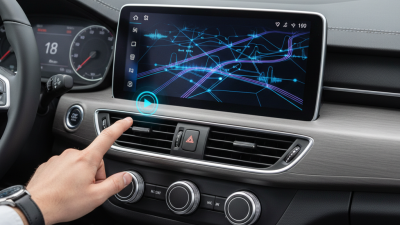
Industry expert, Dr. Emily Rhodes, highlights the importance of these advancements. She stated, "The evolution of Radio Auto will redefine how we connect through technology." This underscores the growing intersection of automotive technology and media. With smart features and user-friendly interfaces, today's Radio Auto systems are more than just communication tools; they are essential for enhancing the driving experience.
However, reflecting on these developments raises questions about accessibility and integration. Some consumers may struggle with the complexity of new systems. While the technology advances, it's vital for manufacturers to ensure usability. Balancing innovation with user-friendliness will be key in shaping the future of Radio Auto and satisfying a global audience.

The Evolution of Radio Auto Technology from 2022 to 2026
In recent years, radio auto technology has seen notable advancements, especially from 2022 to 2026. Industry reports indicate that the global automotive radio market is projected to grow by 8.5% annually. This growth highlights the increased consumer demand for enhanced audio experiences in vehicles. Features like digital audio broadcasting and seamless smartphone integration have become essential.
As technology evolves, the integration of artificial intelligence plays a crucial role. By 2026, it is expected that over 60% of radio systems will incorporate AI for personalized user experiences. This shift fosters a more intuitive interface, allowing drivers to access information and entertainment with ease. However, the implementation of such technology raises questions about privacy and data security, urging further reflection on user trust.
Moreover, the recent emergence of connected vehicles adds complexity to radio technology. According to market analysis, over 40% of new cars sold by 2026 will include advanced connectivity features. While this enhances user experience, the reliance on connectivity creates vulnerabilities to hacking and other digital threats. It is essential for the industry to prioritize robust security measures alongside innovation. The next few years will undoubtedly challenge manufacturers to balance cutting-edge technology with safety and reliability.
The Best Radio Auto Options for Global Buyers in 2026
This chart depicts the evolution of key features in radio auto technology from 2022 to 2026. The data reflects advancements in connectivity, user interface, and entertainment options.
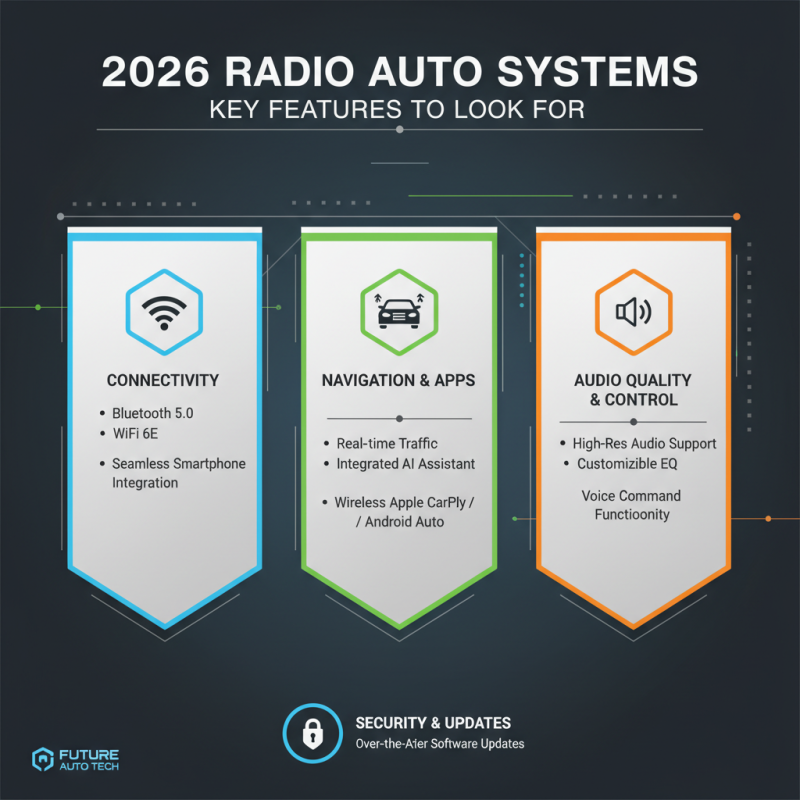
Key Features to Look for in 2026 Radio Auto Systems
As we look ahead to 2026, choosing the best radio auto systems requires careful consideration of key features. One crucial aspect is connectivity. The ability to seamlessly integrate with smartphones is essential. Look for systems that offer both Bluetooth and Wi-Fi connectivity. This ensures easy access to apps and navigation tools while driving.
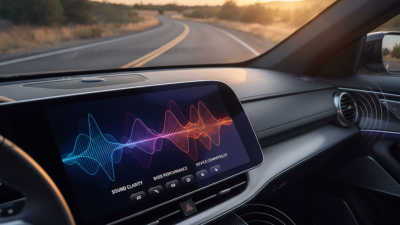
Another feature to keep in mind is sound quality. Pay attention to audio enhancements. Systems that support high-resolution audio formats can significantly elevate the listening experience. Moreover, speaker placement and tuning are essential. A well-balanced sound can make even ordinary journeys enjoyable.
User interface matters too. A system should provide intuitive controls. Touchscreens need to be responsive and user-friendly. However, not all interfaces are created equal. Some systems can be cluttered, making it hard for drivers to stay focused. It's important to seek feedback from actual users before making a decision. Lastly, safety features cannot be overlooked. Voice control capabilities and hands-free options are crucial for a safer driving experience. Finding a system that balances these needs may require some research, but it pays off in the long run.
Global Market Trends Influencing Radio Auto Choices in 2026
In 2026, consumer preferences for radio auto options are shifting significantly. Reports indicate that 72% of global buyers will prioritize connectivity features. This trend reflects the increasing demand for smart technology in vehicles. As drivers seek seamless integration with mobile devices, radio systems must accommodate this change.
Environmental concerns also play a crucial role. A survey shows that 65% of potential buyers are inclined toward eco-friendly options. Innovative multimedia formats are expected to enhance user experience while reducing carbon footprint. The rise of electric vehicles correlates with greater interest in digital radio solutions.
However, not all market segments adapt to these trends uniformly. Some regions still favor traditional analog systems. In rural areas, the reliance on local stations remains strong. This discrepancy highlights the need for manufacturers to balance high-tech features with user preferences. Understanding these nuanced dynamics is vital for success in the evolving automotive radio market.
Top Brands and Models Dominating the 2026 Radio Auto Market
The 2026 radio auto market is set for transformation. Research indicates that consumer demand for advanced audio features has surged. Many buyers prioritize intuitive interfaces and seamless smartphone integration. A report from Automotive Tech Insights suggests that 75% of buyers want superior sound quality in their vehicles.
Leading models in the market are focusing on enhancements. They feature built-in digital radio, offering clearer reception. Global studies show that more than 50% of car buyers consider radio capabilities essential. This trend highlights a gap in some existing models. Many still lack user-friendly controls, which can frustrate tech-savvy customers.
As brands strive to innovate, challenges remain. Some brands maintain outdated systems that fail to meet modern expectations. Survey data reveals that around 30% of users wish for improved voice-command features. The ability to easily access various audio sources can profoundly impact driving experiences. Manufacturers need to reflect on these insights to cater to evolving user preferences.
Environmental Considerations for Radio Auto Buyers in 2026
In 2026, radio auto buyers will face unique environmental challenges and opportunities. The shift toward sustainability is becoming crucial in automotive choices. According to the International Energy Agency, electric vehicles are expected to comprise up to 30% of new car sales by 2026. This highlights a growing preference for cars that produce fewer emissions. However, not all electric vehicles are created equal. Sourcing materials for batteries raises serious environmental concerns.
Moreover, buyers need to consider the carbon footprint of their vehicles throughout their life cycle. This includes manufacturing, usage, and disposal phases. A recent study indicated that over 50% of a vehicle’s emissions occur during production. Selecting options that utilize recycled materials can significantly reduce this impact. Consumers should be wary of greenwashing. Not every vehicle marked as "eco-friendly" lives up to its claims.
Additionally, the infrastructure for charging electric vehicles is still developing. Access to clean energy for charging is inconsistent. Buyers should evaluate their local energy sources. Are they renewable? Is there a reliable charging network nearby? Questions like these are critical as they can influence both vehicle performance and your carbon footprint. Balancing convenience and environmental responsibility will be paramount for informed decisions in a complex market.
The Best Radio Auto Options for Global Buyers in 2026
| Feature |
Standard Eco-Friendly Option |
Advanced Eco-Friendly Option |
Luxury Eco-Friendly Option |
| Fuel Efficiency (MPG) |
30 |
40 |
50 |
| Carbon Emissions (g/km) |
120 |
80 |
60 |
| Battery Range (miles) |
N/A |
250 |
350 |
| Recyclable Materials (%) |
30 |
50 |
70 |
| Price Range ($) |
20,000 - 25,000 |
30,000 - 35,000 |
50,000 - 60,000 |

 +86-18126757325
 CONTACT NUMBER
 CONTACT NUMBER