What is Car Audio System and How Does It Work?
The car audio industry has evolved significantly in recent years. According to a report by Market Research Future, the global car audio system market is projected to reach $38 billion by 2025. Consumers seek enhanced sound quality and innovative features, such as Bluetooth connectivity and smartphone integration.
Car audio systems, once viewed as luxury items, are now standard in many vehicles. This shift highlights the growing demand for immersive audio experiences on the road. However, many drivers are still unaware of how these systems function. Basic components include speakers, amplifiers, and head units. Each component plays a crucial role in delivering sound quality, but poor installation can lead to ineffective performance.
Despite advancements, some car audio setups fall short of expectations. Sound quality may still be inconsistent, and many users face compatibility issues with new technology. These challenges reveal a need for ongoing research and development in the car audio sector. Overall, understanding the fundamentals of car audio systems can enhance both the driving experience and customer satisfaction.
What is a Car Audio System?
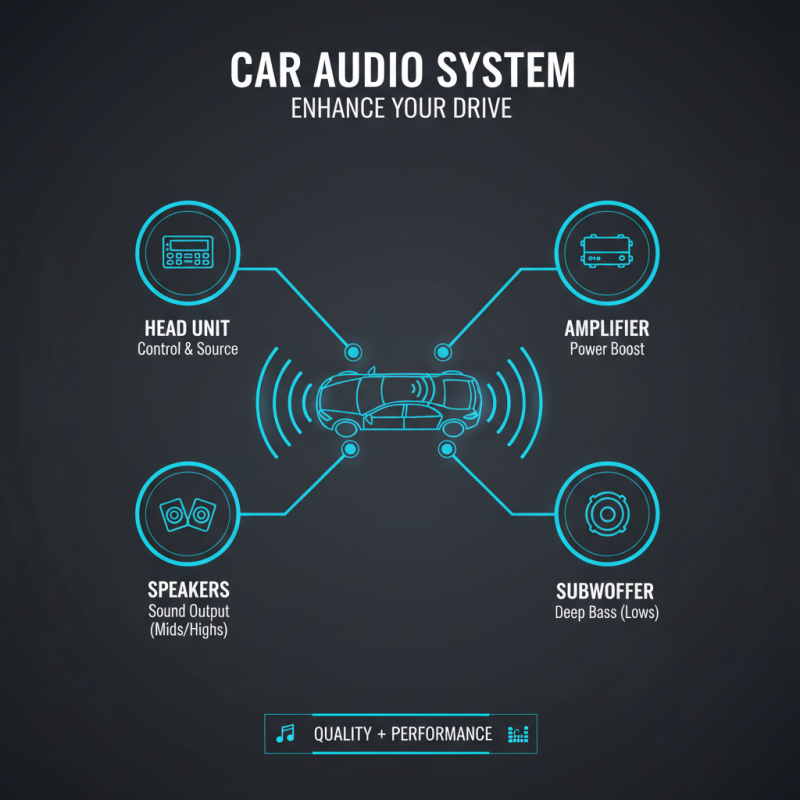
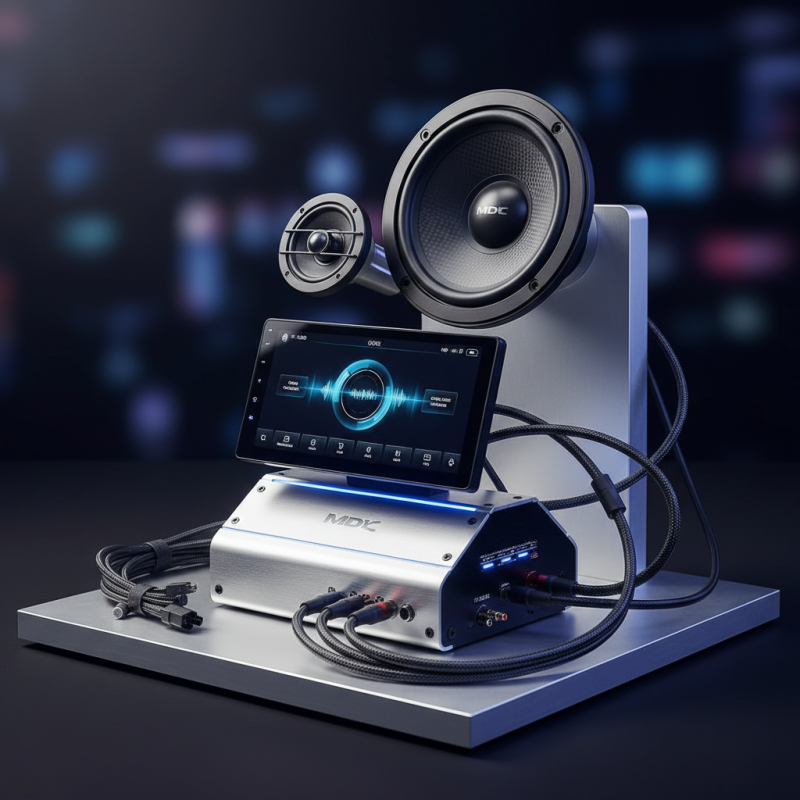
A car audio system is designed to enhance the driving experience. It's more than just a radio; it involves various components. These components include speakers, an amplifier, a head unit, and sometimes a subwoofer. Each part plays a role in delivering sound quality and performance.
Many people overlook how important speaker placement is. Proper placement can dramatically improve sound clarity. For optimal performance, consider adjusting the angles of your speakers. This simple adjustment can make a significant difference in audio quality.
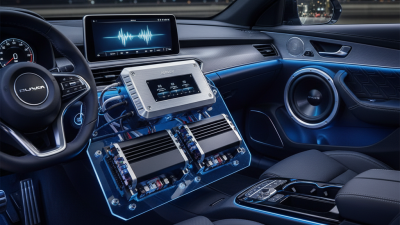
When upgrading your car audio system, keep in mind that not all parts work well together. A high-quality amplifier paired with mediocre speakers may underperform. Research and understand compatibility before purchasing new equipment. Sometimes, it’s worth investing in a professional installation. They can ensure everything is fitted correctly and working efficiently. Keep your listening environment in mind, too. Your car's acoustics might require adjustments or different settings.
Key Components of a Car Audio System Explained
A car audio system consists of several key components. These components work together to deliver sound while driving. The primary parts include the head unit, speakers, amplifiers, and wiring. Each plays a specific role in sound quality.
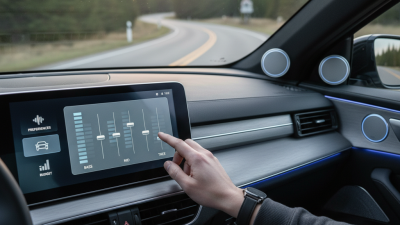
The head unit acts as the command center. It allows you to control the system. It processes signals and connects to various audio sources. A user-friendly interface is important. It should be easy to navigate, even while driving. Pay attention to the size of the display. A clear and larger screen can enhance usability.
Speakers translate electrical signals into sound. They come in various sizes and types. Choosing the wrong speaker can lead to poor sound quality. Some drivers may overlook the importance of speakers, focusing only on the head unit. An amplifier boosts the sound. It increases volume without distortion.
Here’s a tip: always check the speaker sensitivity rating. Higher ratings can produce louder sound with less power. Another tip: invest in quality wiring. Poor wiring can lead to signal loss and sound degradation. A small detail that’s often ignored can ruin the entire experience.
In conclusion, understanding these components allows for an informed choice. A thoughtful approach to upgrades makes a significant difference.
What is Car Audio System and How Does It Work? - Key Components of a Car Audio System Explained
| Component |
Description |
Function |
Importance |
| Head Unit |
The main control device for the audio system, usually includes a radio, CD player, and connectivity options. |
Controls audio sources and settings. |
Essential for player and sound adjustments. |
| Amplifier |
Device that increases the power of audio signals. |
Boosts audio signal for better sound quality. |
Crucial for high-quality sound reproduction. |
| Speakers |
Devices that convert electrical audio signals into sound. |
Produce sound for the listener. |
Vital for sound delivery quality. |
| Subwoofer |
Specialized speaker for low frequencies. |
Enhances bass response in music. |
Significantly improves music experience. |
| Wiring |
Cables and connectors for transmitting audio signals. |
Connects all components in the audio system. |
Critical for proper system function. |
How Sound is Produced in Car Audio Systems
In a car audio system, sound is produced through a series of components working in harmony. The head unit serves as the control center. It processes audio signals and sends them to the amplifier. This conversion is crucial for sound quality. The amplifier increases the signal strength, enabling it to drive the speakers effectively. Without a good amplifier, even the best audio sources can sound flat and uninspiring.
Speakers play a vital role in sound production. They convert electrical signals into sound waves. Inside the speakers, a magnet and coil work together. When electricity flows through the coil, it creates a magnetic field. This field moves the speaker cone, producing sound. Higher quality speakers can reproduce a wider range of frequencies. Cheap options may distort sound at higher volumes. It's essential to consider your listening habits when choosing speakers for your vehicle.
Sound can sometimes feel imbalanced in a car. Factors like speaker placement and acoustics affect the overall experience. If speakers are too close or too far apart, the sound stage feels off. Adjusting the equalizer settings can help balance frequencies, but it may require patience and fine-tuning. The journey to finding that perfect sound can be frustrating, but it's often worth the effort.
Understanding the Installation Process of Car Audio Systems
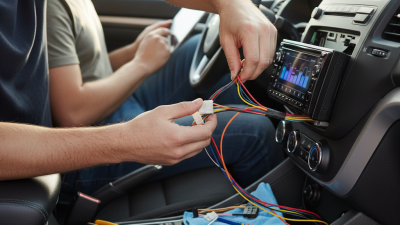
When installing a car audio system, understanding the process is key. This involves choosing the right components. A standard setup typically includes head units, speakers, and amplifiers. The installation process begins with proper planning. You need to decide where each component will go. Good placement enhances sound quality.
Wiring is crucial. Ensure all connections are secure to avoid poor audio performance. According to industry reports, about 30% of installation failures are due to incorrect wiring. Take your time during this step. Tips: Double-check all connections. Label wires to prevent confusion.
Some users overlook the importance of sound deadening. Adding material can reduce noise and improve sound clarity. It’s a step worth considering. You may need extra materials for a proper fit. Sometimes, compatibility issues arise. Research your vehicle's specifications to avoid issues later. After installation, test the system. Listen for any irregularities. Adjust components as necessary to achieve optimal sound.
Tips for Choosing the Best Car Audio System for Your Vehicle
Choosing the best car audio system for your vehicle can be overwhelming. Focus on your personal preferences and needs. The sound quality is critical. Research shows that 70% of car owners consider audio performance a top priority when selecting a system. This includes clear sound, deep bass, and minimal distortion.
You should also assess the compatibility of the system with your vehicle. Many models might fit, but they may not work seamlessly. Look for features like Bluetooth connectivity and smartphone integration. These features enhance user experience, considering that 60% of drivers listen to streaming music while driving.
Don't overlook the installation process. Some systems require professional installation, which can add to your costs. DIY installation is an option, but it may lead to imperfect setups. A poorly installed system can lead to subpar audio performance. Therefore, weigh the pros and cons carefully before making a decision.

 +86-18126757325
 CONTACT NUMBER
 CONTACT NUMBER