How to Choose the Best Car Multimedia System for Your Vehicle?
Choosing the right car multimedia system is vital for enhancing your driving experience. A high-quality car multimedia can make your journeys more enjoyable. It connects you to music, navigation, and communication effortlessly.
When selecting a multimedia system, consider your specific needs. Some systems feature touchscreens, Bluetooth, or voice commands. Think about how often you drive and what features matter most. Will you enjoy live streaming music on the go? Or do you prefer hands-free navigation while driving?
However, not every system will suit every driver. Some may find certain features overwhelming or unnecessary. Reflect on what truly enhances your driving experience. Analyze the compatibility of the multimedia system with your vehicle. A poor fit can lead to frustration. Hence, choosing wisely will ensure that your selected car multimedia system enriches your time behind the wheel.
Understanding Your Vehicle's Compatibility with Multimedia Systems
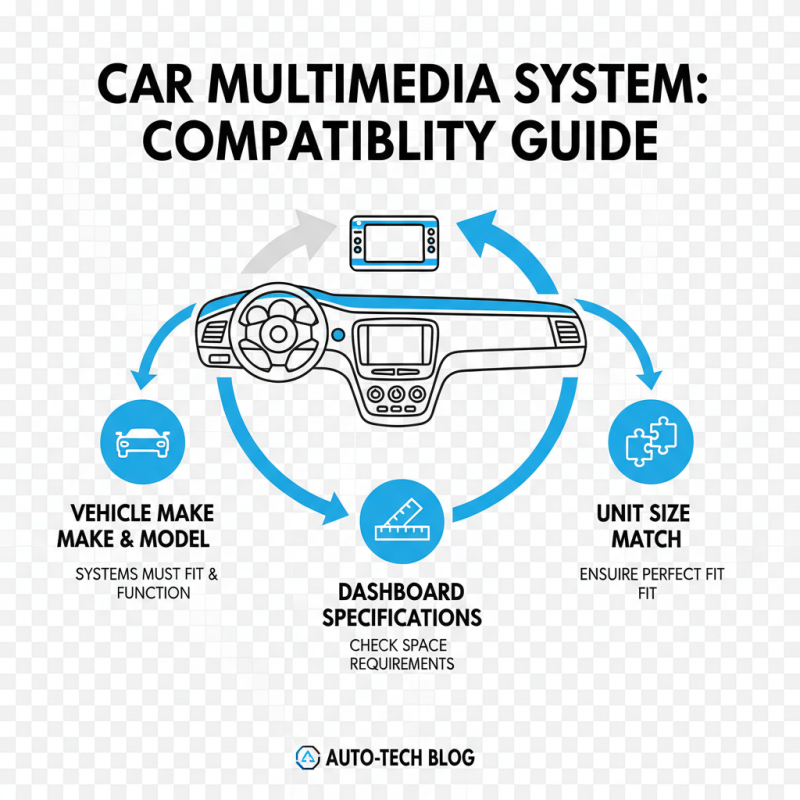
When choosing a multimedia system for your vehicle, compatibility is key. Your car's make and model dictate which systems will fit and function seamlessly. Check the dashboard specifications. Some cars have specific space requirements. You must ensure that the multimedia unit matches your vehicle's size.
Wiring matters too. Different vehicles use different connectors and wire harnesses. If the multimedia system doesn't match, installation gets complicated. You might need adapters or even professional help. Consider your vehicle's technology features. If your car has advanced tech, a basic system won't fully integrate. This could lead to loss of functionality, which is frustrating.
Newer cars often come with built-in features that work with specific multimedia systems. If you opt for a system that isn’t designed for your vehicle, things might not work as expected. Look into reviews. Sometimes, the most popular systems don’t play well with every car. Always consider long-term satisfaction. You want a system that enhances your driving experience, not complicates it.
Key Features to Look for in a Car Multimedia System
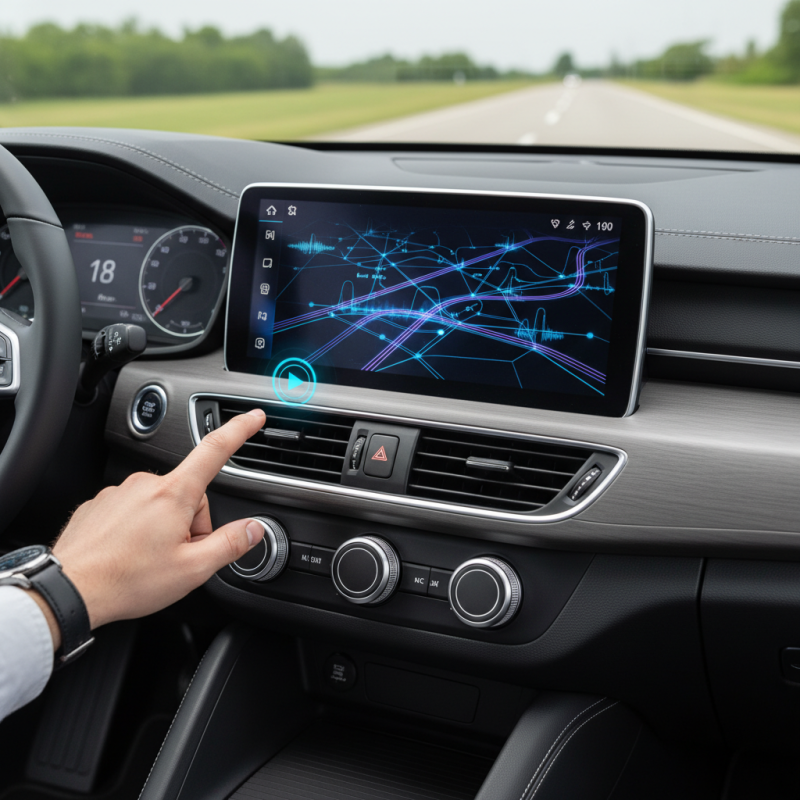
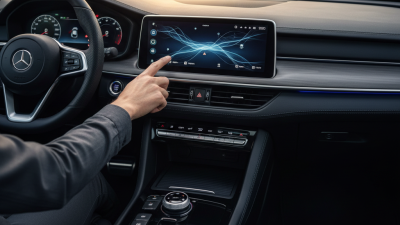
When selecting a car multimedia system, focus on key features that enhance your driving experience. A user-friendly interface is crucial. Look for systems with touch screens that are responsive and easy to navigate. Bright screens with good resolution make a big difference, especially in bright sunlight.
Another important feature is smartphone compatibility. Systems that support Apple CarPlay or Android Auto allow seamless integration with your devices. This makes accessing apps and navigation effortless while driving. Ensure that the multimedia system includes Bluetooth connectivity for hands-free calls. It’s safer and provides convenience.
Tips: Check the audio quality as well. Systems with advanced equalizers offer better sound customization. It’s about your personal preference. A good system can turn your commute into a concert.
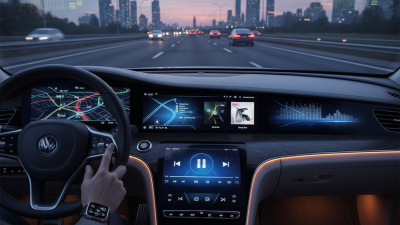
Don’t overlook the importance of GPS and real-time traffic updates. These features save time and help avoid frustrating delays. A poorly chosen system that lacks these functionalities can lead to future regret. Choose wisely to enhance your vehicle.
Evaluating Audio Quality and User Interface Options
When choosing a car multimedia system, audio quality is paramount. According to a recent industry report, 78% of users prioritize sound clarity and depth. High-definition audio formats, such as FLAC and ALAC, support lossless quality and enhance the listening experience. Low distortion levels and a wide frequency response can significantly improve enjoyment. Systems that offer customizable equalizer settings allow users to tweak audio profiles. This personalizes the experience, accommodating varying music genres and individual preferences.
User interface options are equally critical. A clutter-free design can lead to safer interactions while driving. Research indicates that 85% of drivers prefer touch screens over physical buttons. Touch response time and screen brightness can impact usability. GPS integration, voice control, and smartphone compatibility are vital features to consider as well. However, not all interfaces are intuitive. Some systems may overwhelm users with complicated menus. A system that requires multiple steps to access key functions can lead to frustration. It’s essential to strike a balance between features and usability, ensuring users can navigate easily while keeping their focus on the road.
Exploring Connectivity Features and Smartphone Integration
Choosing a car multimedia system involves understanding connectivity and smartphone integration. Many drivers prioritize features that enhance their driving experience. Apple CarPlay and Android Auto are popular options. They allow seamless integration with smartphones. With these systems, you can access music, maps, and messages hands-free.
However, not all systems are created equal. Some may experience connectivity issues. It's frustrating when your phone doesn’t connect properly. Look for features like Bluetooth compatibility and USB ports. These can significantly improve your experience. A touch screen can be helpful too. But, they can also become a distraction. It's essential to balance convenience with safety.
Consider your daily usage. Multimedia systems should fit your lifestyle. If you often rely on navigation apps, ensure the system supports them well. Also, the user interface should be intuitive. A complex system may complicate interactions. Think about how often you will need to adjust settings while driving. An easy-to-use system can minimize distractions.
Comparing Price Points and Installation Options for Multimedia Systems
When selecting a car multimedia system, price points matter significantly.
Systems can range from budget-friendly to high-end options.
Affordable systems often come with basic features. They might lack advanced connectivity or touchscreen interfaces.
In contrast, premium systems offer superior sound quality and more functionalities.
This includes navigation, smartphone integration, and enhanced user interfaces.
Installation options also vary widely. Some systems allow for DIY installation, which can save you money.
However, this often requires a basic understanding of car electronics.
For those less inclined to tackle the technical aspects, professional installation is advisable.
This may add to the overall cost, yet it ensures optimal performance and safety.
Weighing these factors is crucial, as a hasty choice can lead to dissatisfaction.
Researching options thoroughly can help avoid common pitfalls.

 +86-18126757325
 CONTACT NUMBER
 CONTACT NUMBER