The Ultimate Guide to Mastering Car Stereo Installation Techniques
In the world of car audio, mastering the techniques of car stereo installation can transform your driving experience from ordinary to extraordinary. Whether you're looking to upgrade your factory sound system, replace a malfunctioning stereo, or simply want to immerse yourself in high-quality sound during your daily commute, understanding the ins and outs of car stereo installation is essential.
This ultimate guide will walk you through the various types of car stereo systems available, the tools you'll need, and the step-by-step processes for a seamless installation. With the right knowledge and skills, you can achieve professional-grade results and enjoy your favorite tunes like never before. Get ready to hop into the exciting journey of customizing your vehicle's audio system, enhancing both sound quality and aesthetic appeal along the way.
Essential Tools and Equipment for Car Stereo Installation Mastery
When it comes to mastering car stereo installation techniques, having the right tools and equipment is crucial. Essential tools include a wire stripper for cutting and stripping wires with precision, a multimeter to check voltage and continuity in your circuits, and a screwdriver set tailored for automotive work. Investing in high-quality tools not only simplifies the installation process but also ensures longevity and reliability in your automotive sound system.
Additionally, having a solid set of supplies on hand can make the difference between a straightforward installation and a frustrating experience. Consider stocking up on speaker wire, electrical tape, and zip ties to secure loose wires. A panel removal tool is also indispensable for avoiding damage to your car's interior when accessing the stereo unit. Tip: Always label your wires during installation. This will not only save you time but also help prevent confusion when reconnecting components.
Lastly, don't overlook the importance of a good work surface. A portable workbench can provide the necessary space to organize tools and components effectively. By ensuring that your workspace is clean and well-organized, you’ll be able to focus more on the installation itself. Tip: Take regular breaks to step back and assess your progress, maintaining a clear mindset and reducing the potential for mistakes.
Step-by-Step Guide to Removing Your Car's Old Stereo Safely
When it comes to upgrading your vehicle's audio experience, safely removing your old stereo is a crucial first step. According to a report by the Consumer Electronics Association, nearly 70% of drivers choose to replace their car stereo systems for better sound quality and connectivity options. To ensure a smooth installation process, make sure you have the right tools on hand, including a flat-head screwdriver, a wire stripper, and a socket wrench.
One effective method for removing your old stereo is to disconnect your car battery first. This not only protects your electronics but also prevents any shorts during the disassembly process. As you proceed, gently pry off the trim surrounding your stereo, as this can often be damaged if removed too forcefully. Keep in mind that excessive force might break the clips, leading to costly repairs.
Tip: Always label your wires as you disconnect them. This simple step can save you a lot of time during the installation of your new stereo, preventing confusion and ensuring a more organized setup. Additionally, consult your car's service manual for specific instructions that pertain to your make and model, as some vehicles have unique configurations that require special attention. By following these guidelines, you'll set yourself up for a successful car stereo upgrade.
Wiring Diagrams: Understanding Your Vehicle's Electrical System
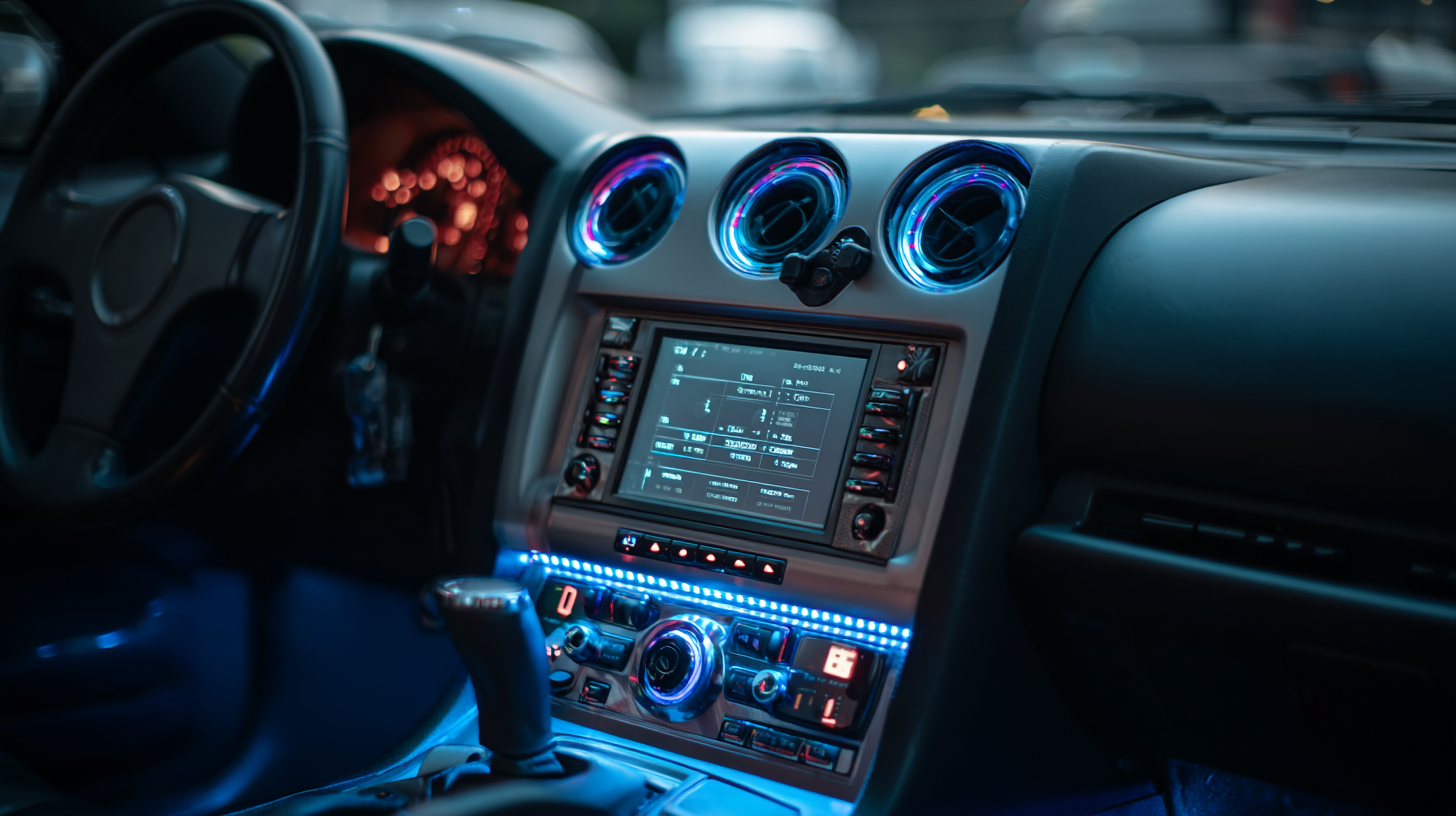 When diving into the complexities of car stereo installation, understanding your vehicle's electrical system is paramount. A robust electrical foundation allows you to effectively wire audio components for optimal performance. According to the Consumer Electronics Association (CEA), nearly 70% of car audio failures are attributed to improper wiring. This statistic underscores the necessity of comprehending wiring diagrams, which serve as essential blueprints that guide installers through the intricacies of connection and configuration.
Wiring diagrams provide invaluable insights into the various circuits within a vehicle, illustrating how different components interact with each other. They highlight the importance of matching wire colors and understanding the function of each wire, whether it’s for power, ground, or audio signal transmission. For example, the International Consumer Electronics Association reports that vehicles with integrated audio systems have an average of 30 wires dedicated solely to audio functionalities. Knowing how to navigate these wires not only prevents costly errors but also enhances the overall audio experience. Mastering these diagrams enables enthusiasts and professionals alike to tackle installations confidently and efficiently.
Choosing the Right Car Stereo: Features and Compatibility Explained
When selecting a car stereo, understanding the features and compatibility is crucial for a successful upgrade. A recent market research report from Statista indicates that the global car audio market is expected to reach approximately $16.7 billion by 2025, highlighting the increasing interest among consumers in enhancing their in-car entertainment systems. This growth is driven by advancements in technology, including Bluetooth connectivity, smartphone integration, and high-resolution audio formats. Choosing a stereo that supports these features not only enhances your listening experience but can also add value to your vehicle.
Compatibility is another key aspect to consider when choosing a car stereo. According to a 2021 survey conducted by Consumer Reports, 48% of car owners who upgraded their stereo experienced compatibility issues which delayed installation. To avoid such setbacks, it's essential to ensure that the chosen unit is compatible with your vehicle’s make and model, including the physical dimensions and wiring harness. Additionally, look for stereos that offer versatile compatibility with multiple devices, such as Apple CarPlay and Android Auto, to ensure a seamless connection to your favorite apps and music streaming services. Prioritizing these features will ensure not only optimal performance but also a smoother installation process.
The Ultimate Guide to Mastering Car Stereo Installation Techniques
| Feature |
Description |
Compatibility |
| Radio Tuner |
Digital and analog signal reception for AM/FM stations. |
Most vehicle makes and models. |
| Bluetooth Connectivity |
Allows hands-free calling and audio streaming from devices. |
Smartphones and tablets supporting Bluetooth. |
| Aux Input |
Connect non-Bluetooth devices for audio playback. |
Compatible with almost all audio devices with a headphone jack. |
| USB Port |
For charging devices and playing audio files from USB drives. |
USB-enabled devices and flash drives. |
| Equalizer Settings |
Customizable sound settings to enhance audio quality. |
All stereo systems with customizable EQ. |
| Navigation |
Built-in maps and directions for driving assistance. |
Certain models may require specific vehicles for integration. |
| Touchscreen Display |
Interactive interface for easy control of features. |
Compatibility varies based on size and fit. |
Troubleshooting Common Installation Issues for a Smooth Experience
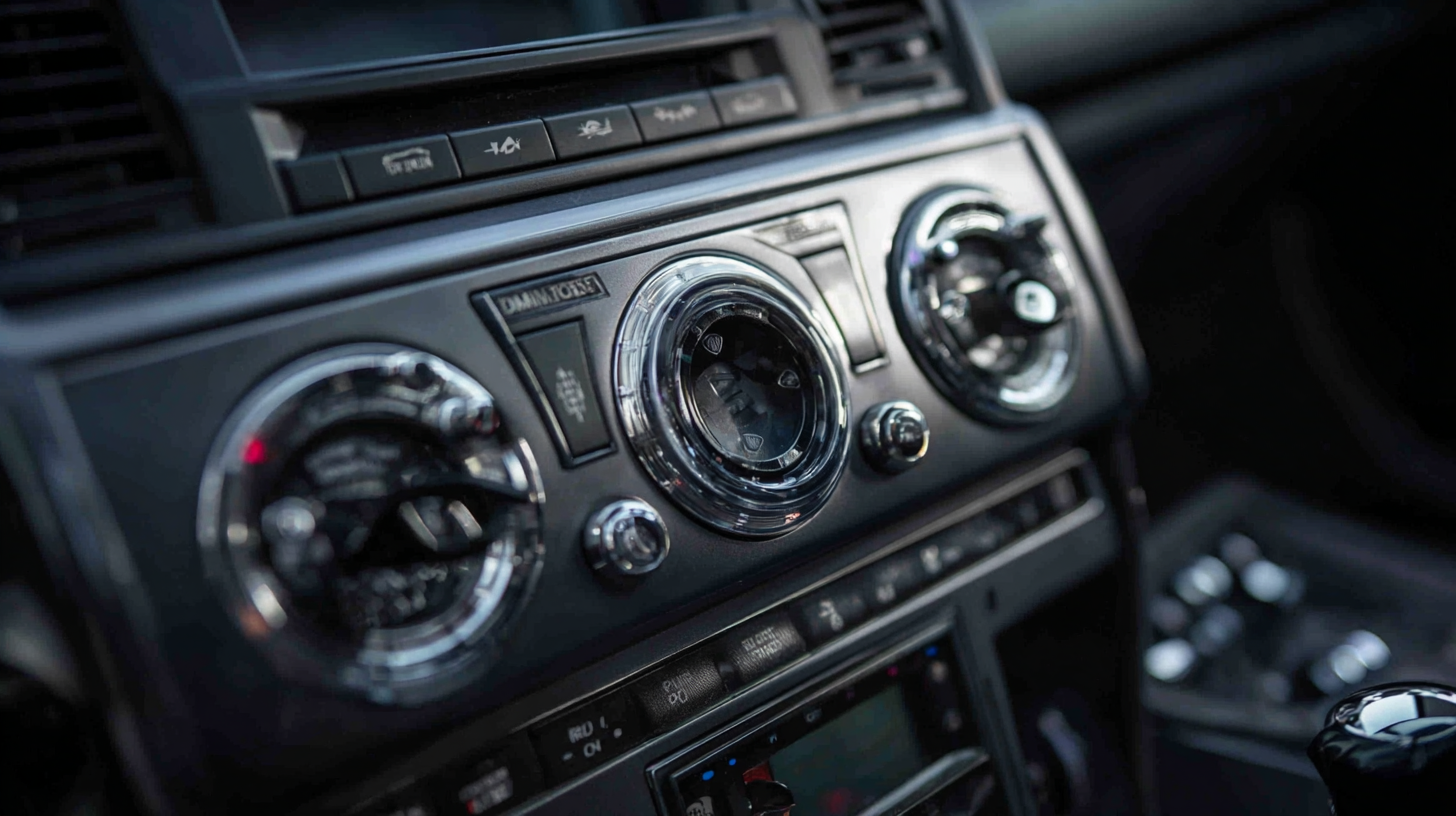 When installing a car stereo, encountering issues is almost inevitable. According to a recent industry report, approximately 60% of DIY installers experience difficulties during the process. Common problems include wiring errors, incompatibility with the vehicle’s audio system, and poor sourcing of installation materials. To navigate these hurdles smoothly, it's essential to have a clear understanding of the installation specifics and utilize reliable components.
Tip: Always double-check the wiring diagrams for your vehicle model. Many issues arise from incorrect connections. Investing in a quality wiring harness can prevent discrepancies and ensure a seamless fit. Additionally, familiarize yourself with the audio system’s specifications to avoid compatibility issues.
To enhance your installation experience, troubleshooting should start before you commence. Prepare a checklist that includes all required tools, components, and instructions. A staggering 45% of installers reported delays due to missing tools or incorrect parts.
Tip: Label all wires and components as you remove them to streamline reinstallation. Taking this step can save time and frustration, particularly for complex wiring systems. Remember, patience is key; solving issues as they arise will lead to a high-quality audio setup and increased satisfaction with your car stereo experience.

 +86-18126757325
 CONTACT NUMBER
 CONTACT NUMBER